Industry News
Why Chinese Car Brands Are Booming in Ireland
Just a few years ago, the idea of buying a Chinese-built car would have made a lot of Irish motorists think twice. Fast forward to today, and brands like MG, BYD, Leapmotor and Xpeng are becoming a much more common sight on Irish roads. They're no longer seen as cheap alternatives, but genuine competitors to well-established manufacturers from Europe, Japan and Korea. As more drivers look for value for money, especially with the rising cost of living, these newer brands have started attracting attention for all the right reasons. It feels like the market has changed very quickly, and in fairness, it probably has.
One of the biggest reasons for this shift is the rapid growth of electric and hybrid vehicles, where many Chinese manufacturers are already leaders. According to the Society of the Irish Motor Industry (SIMI), electric, hybrid and plug-in hybrid vehicles accounted for over 56% of all new car registrations in Ireland during 2025, showing just how quickly buyer preferences are changing. As Irish motorists become more open to trying new brands, Chinese manufacturers are in a strong position to take advantage of that demand. While some buyers are still cautious, the old perception that Chinese cars are poor quality is slowly starting to disappear.
What's Driving Their Success?
The biggest reason Chinese car brands are becoming more popular is pretty simple: they offer a lot more for your money than many of the established manufacturers. Buyers often get features like large infotainment screens, heated seats, adaptive cruise control and advanced safety systems included as standard, whereas you'd usually have to pay extra elsewhere. Long warranties have also helped build confidence, with brands like MG offering up to a seven-year warranty on many of its models. If you're looking for a modern car without spending a fortune, it's easy to see why more Irish motorists are starting to take notice.
Another big reason is their experience with electric vehicles. Chinese manufacturers have spent years investing in battery technology and EV development, meaning they arrived in Ireland with a strong range of electric and plug-in hybrid models already available. According to the International Energy Agency (IEA), , showing just how advanced its EV industry has become. Price might be what gets people interested at first, but it's the combination of technology, equipment and value for money that keeps these brands near the top of people's shortlist.China accounted for around 60% of global electric car sales in 2025
Which Chinese Car Brands Can You Buy in Ireland?
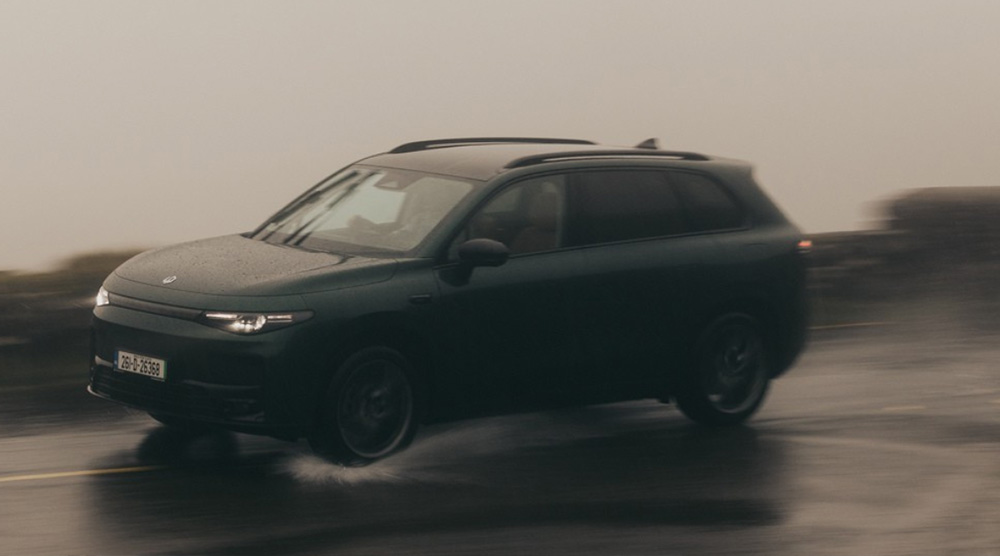
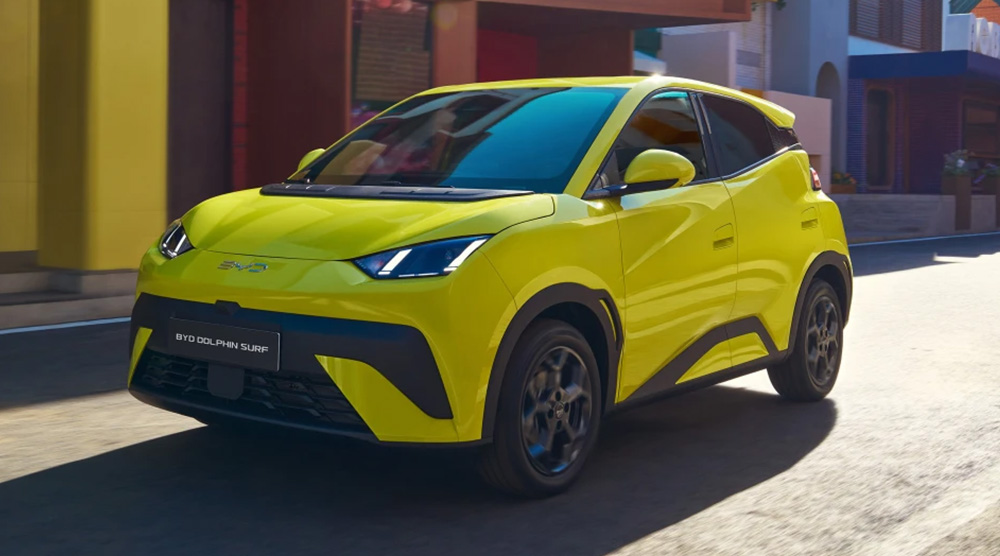
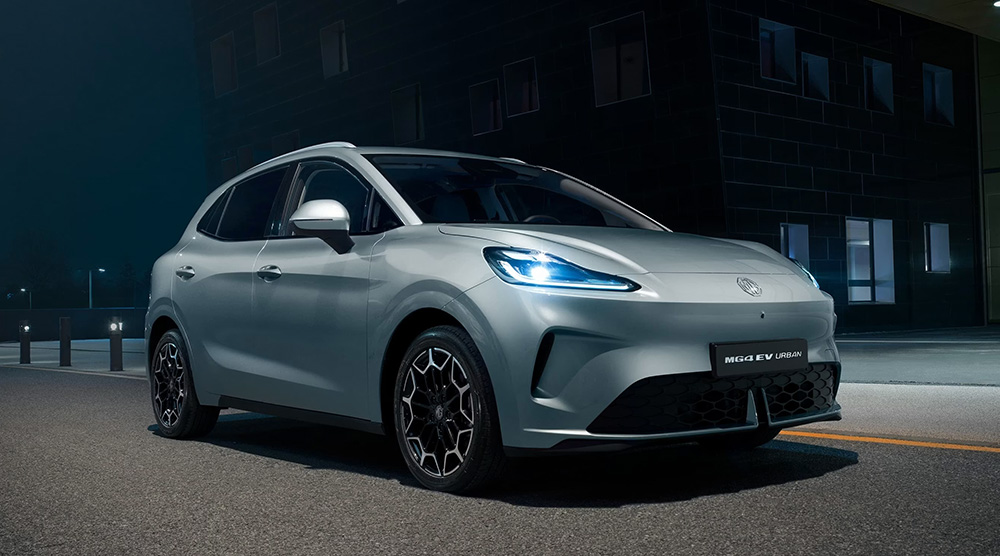
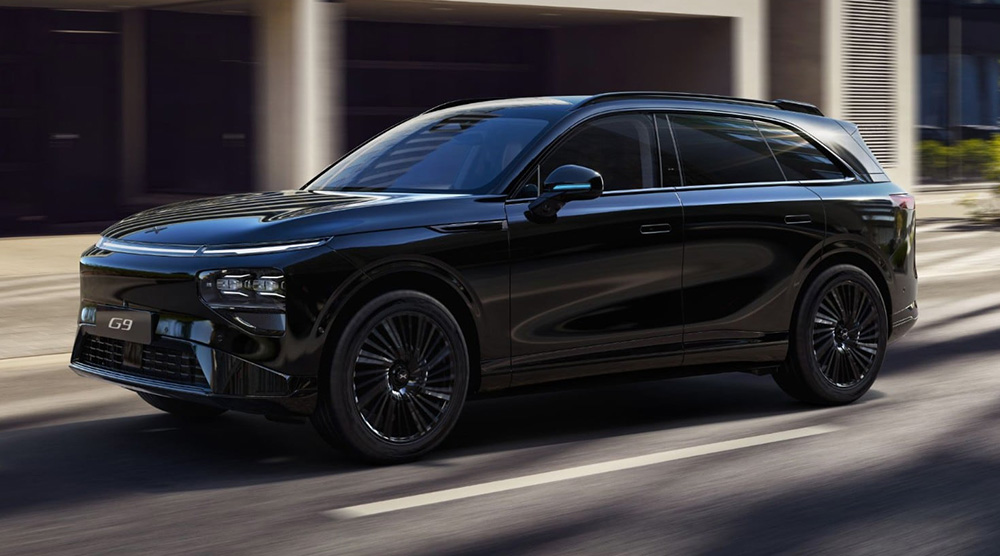
Chinese car brands are no longer a rarity in Ireland, with several manufacturers now offering a growing range of petrol, hybrid and electric vehicles. MG is still the most recognisable name thanks to its affordable hatchbacks and SUVs, while BYD has quickly become one of the fastest-growing EV brands in the country. Leapmotor has also entered the Irish market through its partnership with Stellantis, offering competitively priced electric models, and XPENG has begun establishing itself with premium EVs that focus heavily on technology and long driving ranges. Together, these brands are giving Irish motorists more choice than ever before, especially if they're considering making the switch to an electric car.
Several other Chinese manufacturers are also expected to arrive in Ireland over the next few years. Omoda and Jaecoo are already expanding across Europe with a range of SUVs and plug-in hybrids, while GWM (Great Wall Motor) continues to grow its European presence with brands like Ora and Tank. As dealer networks continue to expand, it probably won't be long before Irish buyers have even more options to choose from. MG and BYD may still be most drivers' favourite, but the gap is getting smaller every year.
Are Chinese Cars Actually Worth Buying?
There's still a bit of hesitation when it comes to buying a Chinese car, and that's understandable. A lot of people still remember when Chinese-built products had a reputation for being cheap, but the car industry has changed massively over the last few years. Manufacturers like MG and BYD are now producing vehicles that offer plenty of technology, impressive safety features and good value for money. They're not perfect by any means, but they're a lot closer to the big European, Japanese and Korean brands than many people probably realise.
Safety has also played a big part in changing people's opinions. Independent safety organisation to a number of Chinese-built models, including cars from MG and BYD. As Euro NCAP states, "A 5-star safety rating demonstrates overall excellent performance in crash protection and well equipped with comprehensive and robust crash avoidance technology." That doesn't automatically make every Chinese car a better buy than its rivals, but it does show how much the industry has improved. For drivers looking for good value, modern technology and plenty of standard equipment, they're definitely worth considering.Euro NCAP has awarded five-star ratings
How Do Chinese Cars Compare to Established Brands?
Comparing Chinese cars to established manufacturers isn't as one-sided as it used to be. European brands still tend to lead when it comes to driving dynamics and overall refinement, while Japanese manufacturers have built their reputation on reliability over decades. Korean brands such as Hyundai and Kia continue to offer an excellent balance of quality, technology and value. That said, Chinese manufacturers have closed the gap really quickly, especially in the electric vehicle market where many of them have been investing for years.
For buyers, it often comes down to what matters most. If you're looking for the latest technology, plenty of standard equipment and competitive pricing, Chinese cars are becoming a serious alternative to the traditional brands. The notes that Chinese-made battery electric vehicles continue to increase their presence in the European market, reflecting the growing demand for these models across the region. They might not suit everyone just yet, but it's becoming much harder to ignore the value they offer.European Automobile Manufacturers' Association (ACEA)
The Future of Chinese Cars in Ireland
Chinese car brands look set to become an even bigger part of the Irish car market over the next few years. As more electric and hybrid models arrive, buyers will have even more choice than they do today. Dealer networks are continuing to grow, new models are being launched every year and public confidence in these manufacturers seems to be improving as well. It doesn't look like they're slowing down anytime soon.
The wider European market is already showing where things could be heading. Recent figures show that Chinese brands accounted for around 6% of EU car registrations between January and April 2026, compared with 3.2% during the same period a year earlier, highlighting just how quickly they're gaining ground. If that trend continues, Irish motorists can expect to see even more Chinese-built vehicles on local roads over the next few years, and that's likely to give buyers even more choice when it comes to buying a new car. There's still a way to go, but they're certainly making an impact.