Industry News
New EV Scrappage Scheme Helps Irish Drivers Make the Switch to Electric.
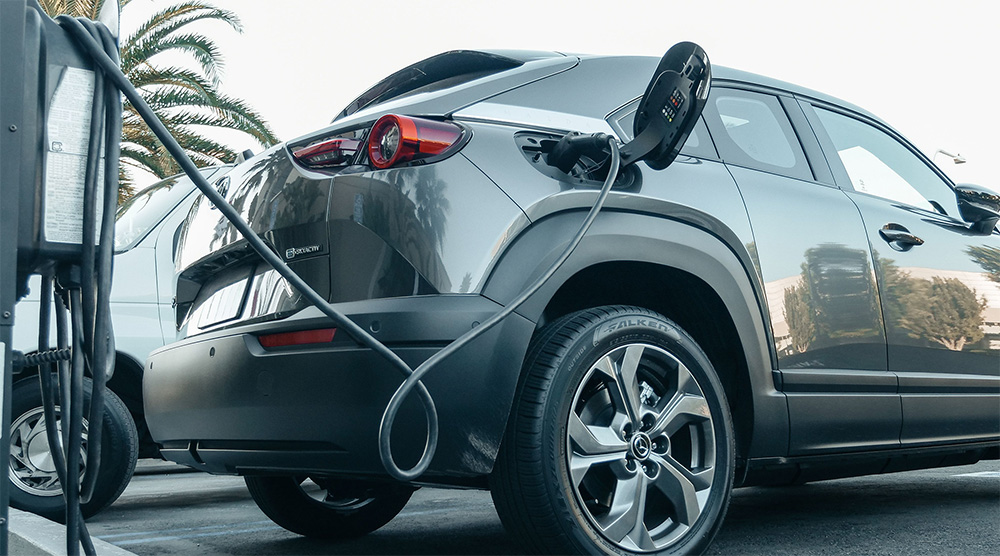
Ireland is introducing a new EV scrappage scheme aimed at helping motorists upgrade from older petrol and diesel cars to fully electric vehicles.
New €8,500 EV Scrappage Scheme Explained: Could You Qualify?
Irish motorists with older petrol or diesel cars could now get up to €8,500 towards a new electric vehicle, thanks to the Government’s new ICE2EV scrappage scheme.The scheme is designed to help drivers move away from older, higher-emission cars and into new electric vehicles, while also making EVs more affordable. Applications are expected to open in July 2026, and funding will be limited, so it’s likely to be first come, first served.
What Is the EV Scrappage Scheme?
It’s important to understand that the €8,500 isn’t one single grant — it’s made up of two separate supports.
The ICE2EV scheme offers a €5,000 payment to drivers who scrap an eligible petrol or diesel car and replace it with a new electric vehicle. This can be combined with the existing SEAI grant of up to €3,500, bringing total support to up to €8,500.
Who Can Qualify?
To qualify for the scheme, your current car will usually need to:
- • Be registered in 2013 or earlier
- • Have been owned by you for at least 12 months
- • Have a valid NCT (or one that has only recently expired)
- • Have been taxed and insured in recent months
- • Be scrapped through an authorised facility
- • The new car must be fully electric. Hybrids and used EVs don’t qualify.
Why This Scheme Matters
For a lot of drivers, the biggest barrier to switching to electric is the upfront cost. This scheme helps reduce that significantly.
If you're driving an older petrol or diesel car, you could be looking at a fairly substantial saving when moving to an EV, especially when you factor in lower running costs. This makes the switch more appealing for many people.
That said, the scheme is being run as a pilot with limited funding, so not everyone who applies will get it — and that’s something people might overlook.
Things To Keep in Mind
The vehicle being scrapped must be handled through the selling dealer as part of the process. According to the SEAI, scrappage can only be carried out by a registered EV dealer and must be completed alongside the purchase of a new electric vehicle.
You’ll also need to make sure the new EV meets all eligibility requirements, including any price limits or grant conditions that apply. These rules can change, so it’s worth checking the latest criteria before placing an order.
Final Thoughts
The new EV scrappage scheme could be one of the biggest incentives we’ve seen in Ireland for switching to electric. It arrives as EV adoption continues to grow in Ireland, with electric vehicles accounting for more than one in five new car sales during the early months of 2026.
For drivers with older cars, it might finally make the numbers work. If your car is over 10–13 years old, it’s probably worth looking into now before the scheme opens and funding runs out.